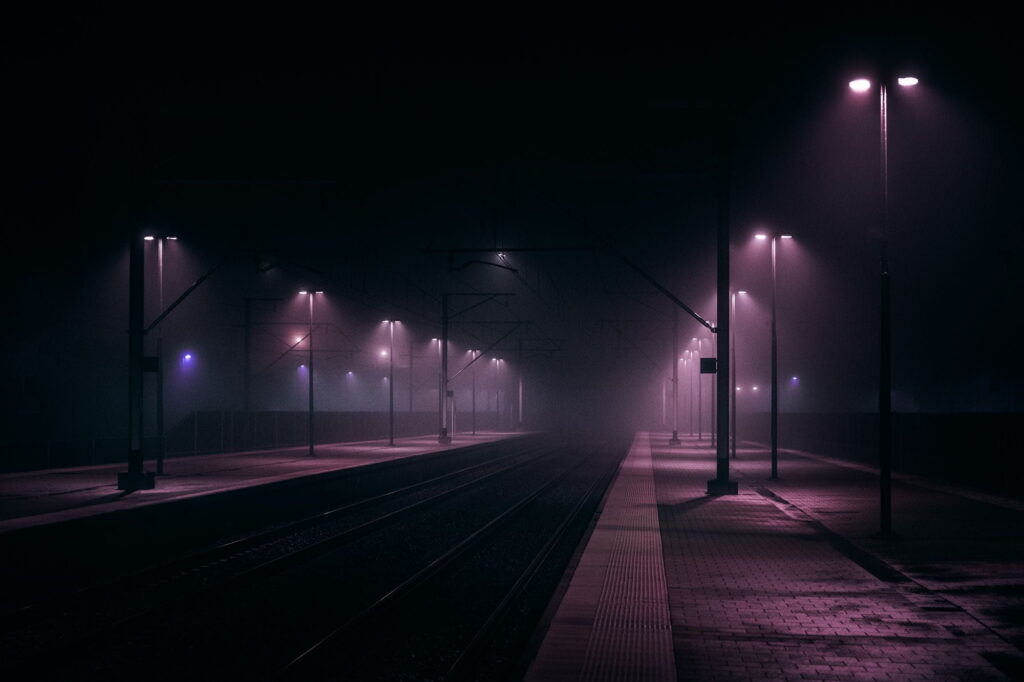
Future garage is more than just a musical genre—it’s an entire mood that immerses us in a deep atmosphere, filled with melancholy and introspective soundscapes. While we initially perceive the genre through its sound, its core themes and musical characteristics have forged an incredibly consistent and recognizable visual style.
This aesthetic amplifies the feeling of solitude, nostalgia, and urban exploration. The Visual Style of Future Garage is a logical extension of the sound itself: it is dark, ethereal, and always aims to reflect depth and space.
Let’s dive into the three key pillars of this captivating and somber atmosphere.
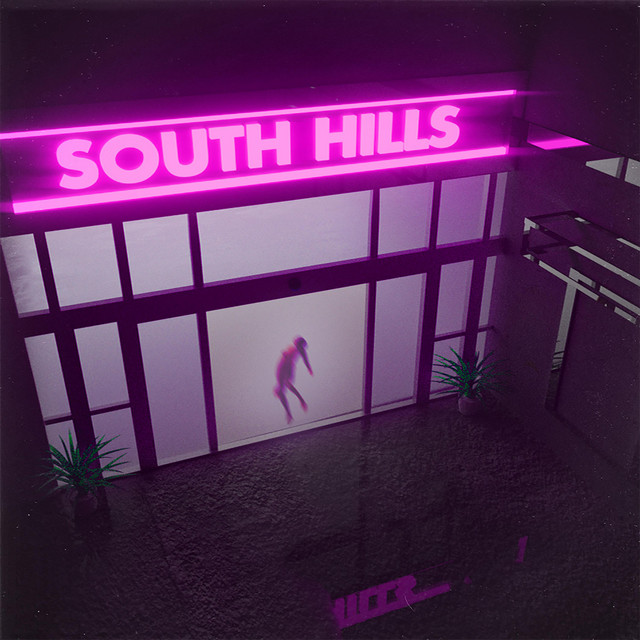
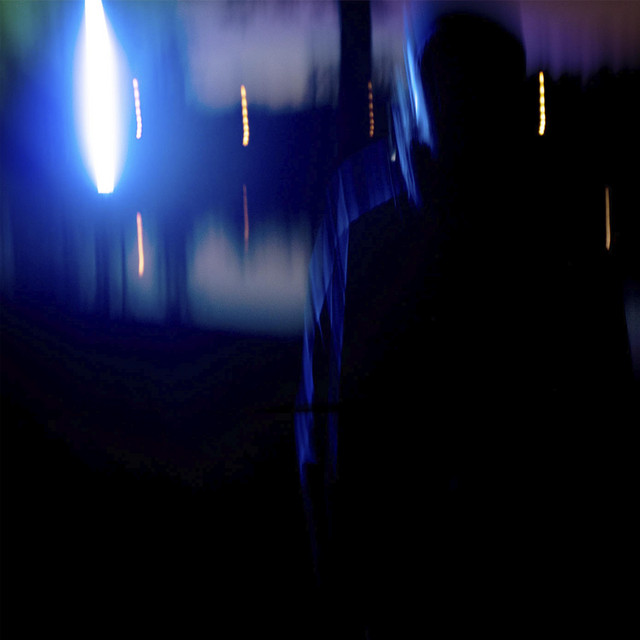
1. The Color Palette: Depth, Melancholy, and Neon
The visual language of future garage decisively rejects bright, saturated colors. Instead, it opts for a muted, gloomy, and hazy palette.
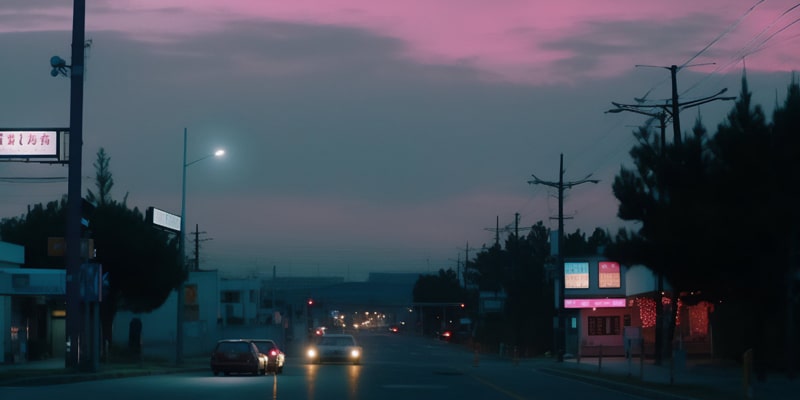
- Shades of Gray and Haze: Album covers and music videos associated with the genre often resemble old photographs: urban or rural landscapes drenched in shades of gray and shrouded in a light fog. This perfectly mirrors the dark, atmospheric, and melancholic vibe that is central to future garage.
- Night Scene and Minimalism: Future garage evokes a sense of introspective moments (self-reflection) or late-night drives. Therefore, the visual imagery focuses on nighttime cityscapes, illuminated by minimal sources: faint neon signs or dim streetlights. This contrast between civilization and isolation emphasizes the idea of “spooky” and deeply atmospheric music.
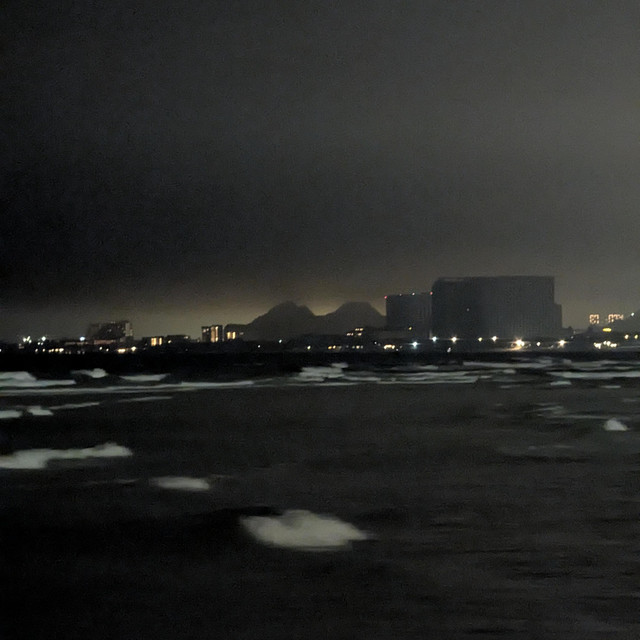
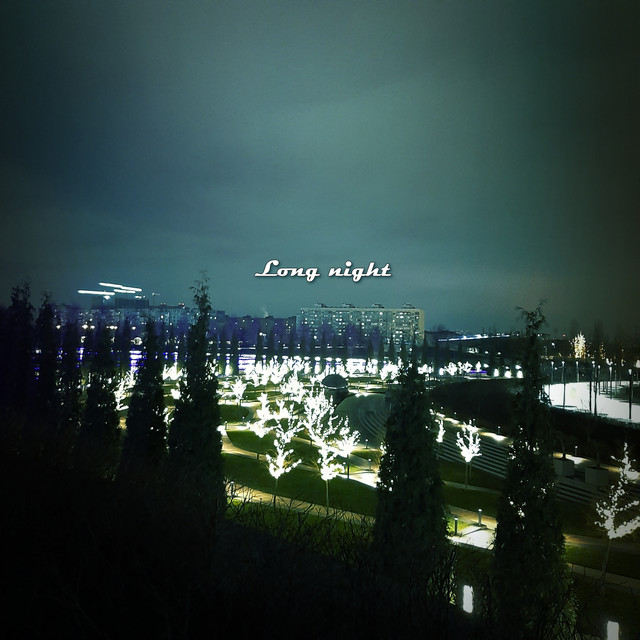
2. Urban Landscapes: Solitude in the Metropolis
One of the most defining aspects is its inextricable link to urban and futuristic themes. The visual style uses these landscapes as a backdrop for the emotional journey.
- Empty Cities: Scenes often depict desolate urban environments: empty streets, unfinished buildings, or industrial zones at night. This perfectly reflects the emotions the music explores—sadness, loneliness, and perhaps a touch of depression. Rhythmic patterns and syncopation emerge against the backdrop of these cold yet mesmerizing scenes.
- The “Future” in the Name: While the genre has deep roots in UK garage, the name “Future” emphasizes an experimental and forward-thinking approach. Visually, this can be expressed through clean futuristic lines, minimalist architecture, or digital processing that conveys a sense of infinite space and depth.
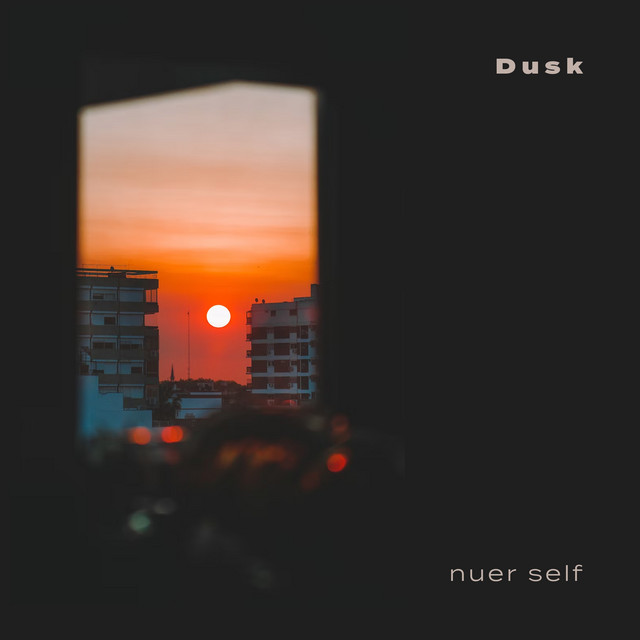
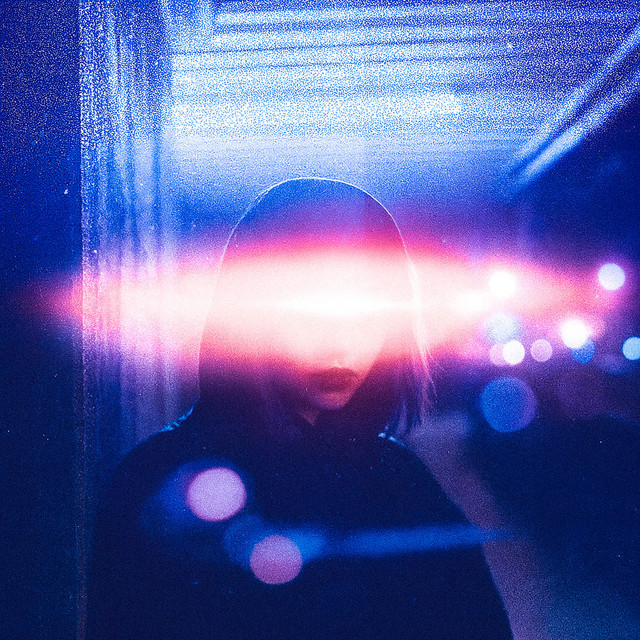
3. Texture and The Nostalgia Effect: Ethereal Grain
The genre’s atmospheric sound elements—such as ambient textures, dreamy samples, and subtle noise—have their ideal visual equivalents.
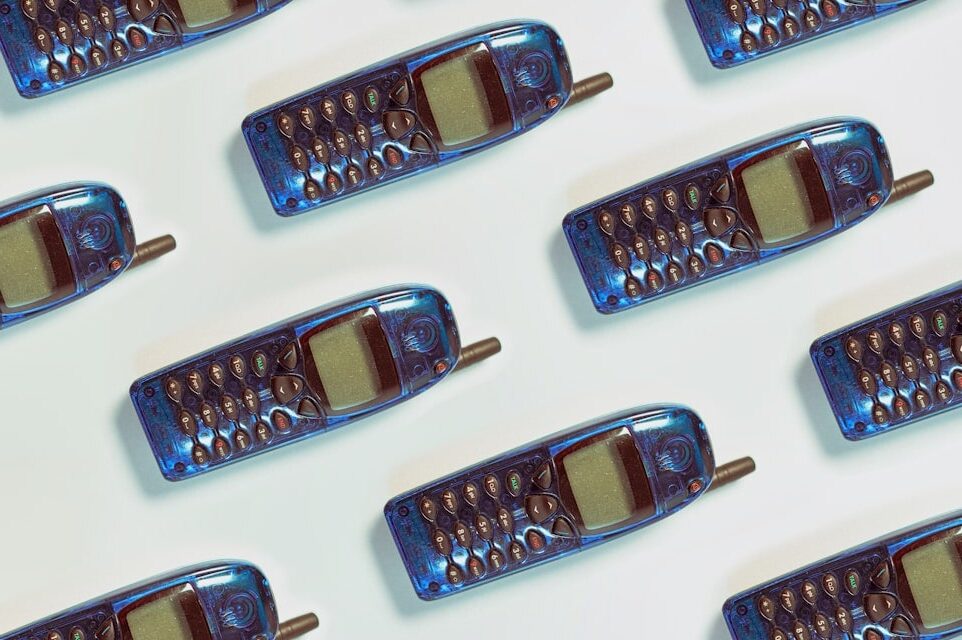
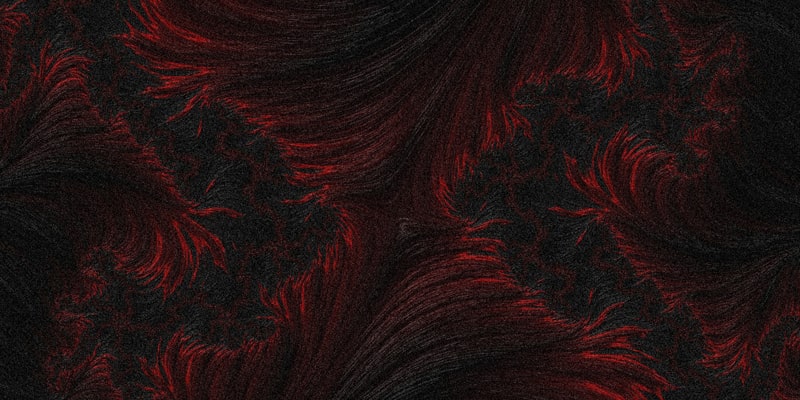
- Film Grain and Noise Effect: Future garage cherishes nostalgia: vinyl crackle and ethereal vocal samples. Visually, this translates into the use of film grain, digital noise, or aging effects. This gives the image a vintage quality, intense nostalgia, and ethereality.
- Soft Focus and Drift: The music heavily relies on soft, warm synth pads and dreamy elements. Visually, this is realized through the use of soft focus, deep depth of field, and mistiness, which create an immersive experience. This allows us, the listeners/viewers, to literally get lost in the music.
Conclusion
As we can see, the Visual Style of Future Garage serves as a perfect mirror for its music: it employs a muted, dark palette, urban landscapes, and textured, dreamy effects. This aesthetic accompanies the music, and it is an integral part of it, immersing us in a world of lonely but incredibly captivating sonic journey.
P.S. This aesthetic proves that the cover is a fully-fledged art form. Read about how album cover art becomes a museum exhibit in our dedicated article: Music for the Eyes: How Album Cover Art Lives in Museums.
Rate this post along with 0 others